*Every reasonable effort is made to ensure the accuracy of the information shown here. Texan Hyundai is not responsible for errors or omissions as absolute accuracy cannot be guaranteed. Please verify the information with an authorized Sales Manager. This site and all information appearing herein is presented AS IS without warranty of any kind, either expressed or implied. The listed and described details are to be used for information purposes only. It is the responsibility of the customer to verify the existence of any option or accessories and the vehicle condition before time of sale. There are no express of implied warranties or representations of any type concerning a preowned vehicle, including the availability or condition. Certain vehicles listed may not be available or may have different prices or be equipped with dealer installed options at an additional charge. The cash price does not include fees for license, title, registration, taxes, service contracts, services related to the sale, processing, and/or the prices of accessories. Certified Pre-Owned vehicles are certified ready only. Some fees may apply for certified pre-owned listed vehicles to fully certify. All prices, specifications and availability are subject to change daily and without notice. Offers to purchase may only by made following purchaser test drive. Texan Hyundai should be contacted for the most current information. Dealer doc fee $225.



























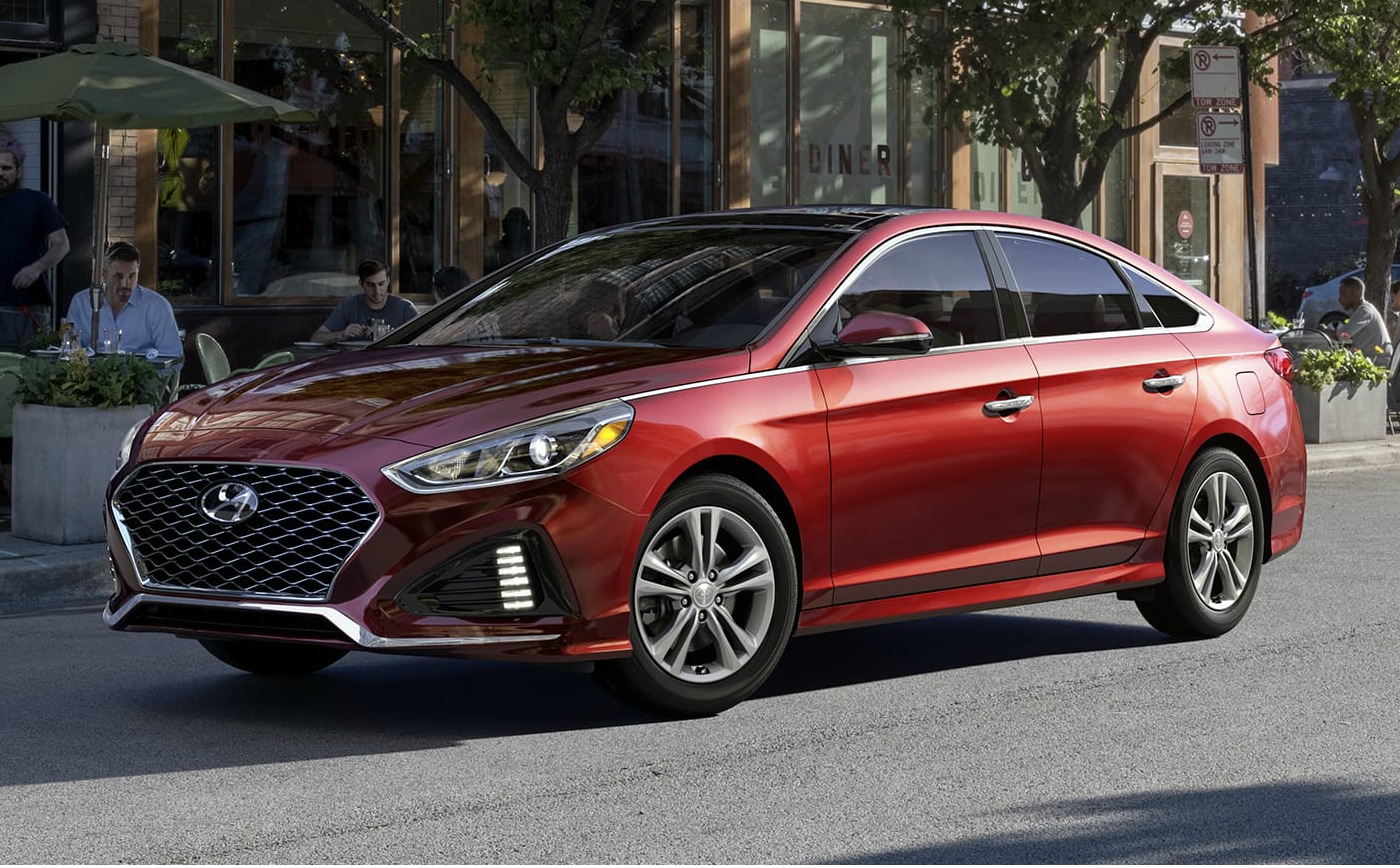

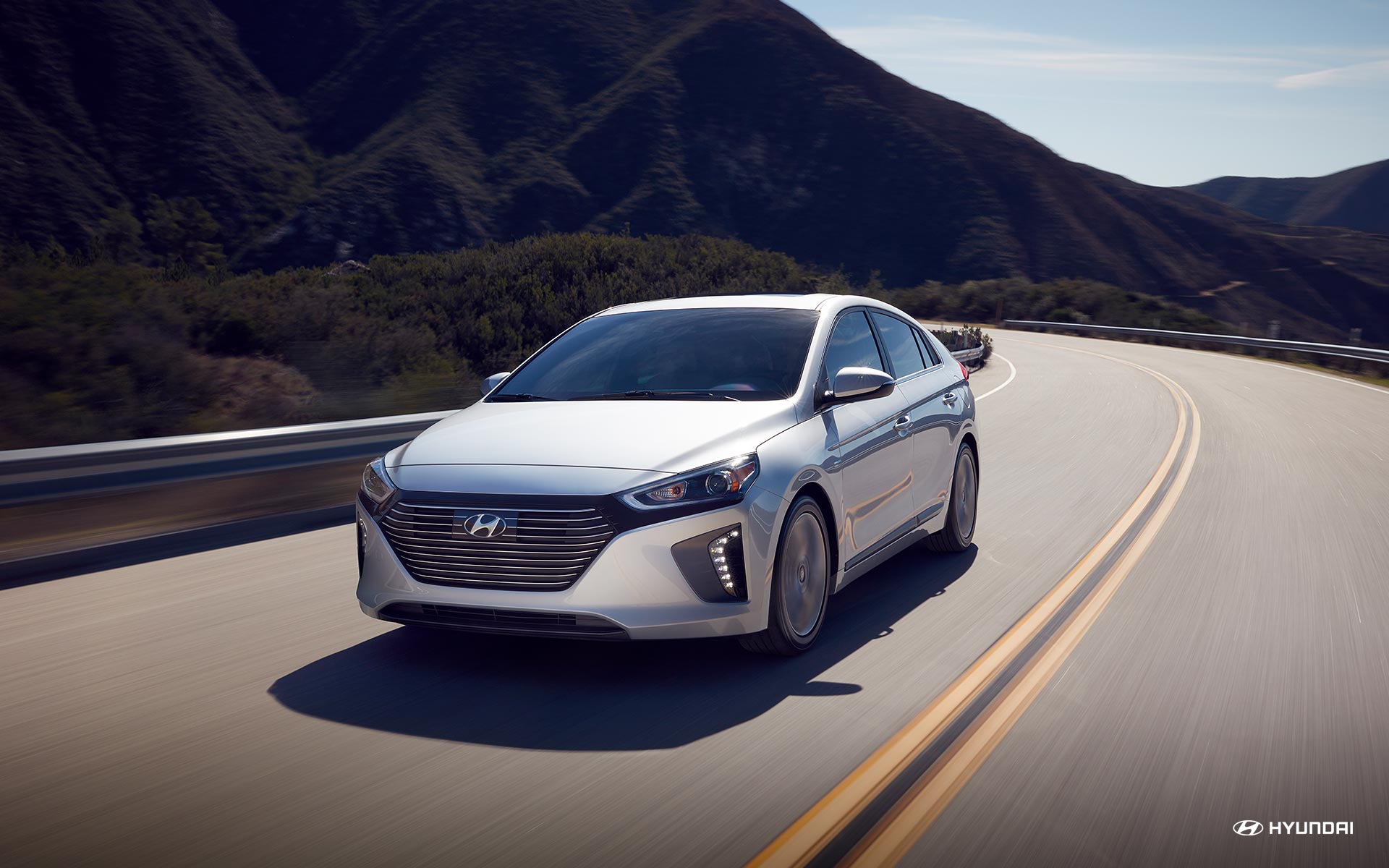
 When you’re shopping for a new car, all the specs can be overwhelming. Sure, it makes sense that a smaller turning radius means sharper U-turns, but when it comes to more complicated specs like horsepower, you may be left scratching your head. After all, any functional vehicle moves when you push the gas pedal and stops when you hit the brakes, so why does horsepower matter when choosing which car to buy?
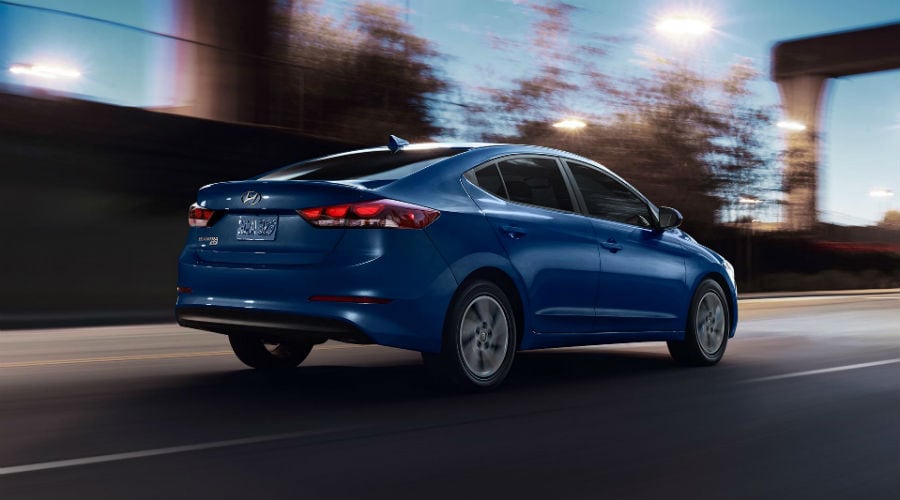
 No matter what car you drive, you will likely see the dreaded check engine light at some point. What’s worse is that it’s next to impossible to know whether it’s a serious issue that needs attention right away, if it’s something minor or your indicator is malfunctioning. Some used cars, depending on their upkeep, year and make, may break down more frequently, but even the most reliable certified pre-owned vehicles and new cars experience mechanical issues. Some issues can be easy to spot, some can be difficult to pinpoint. Here are some of the most common…