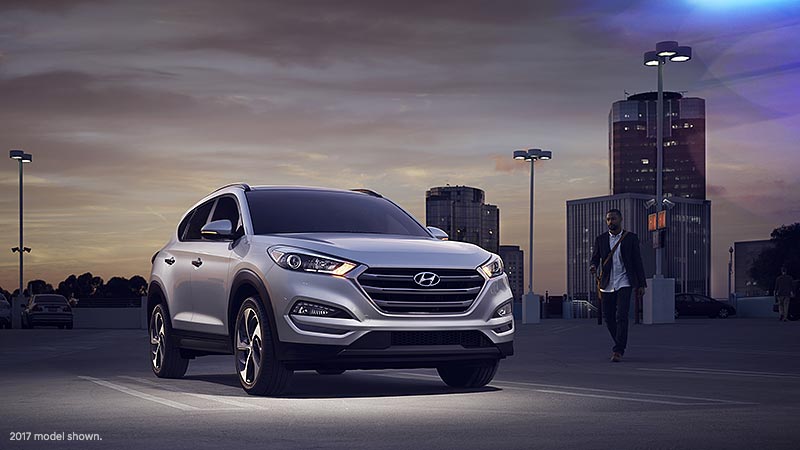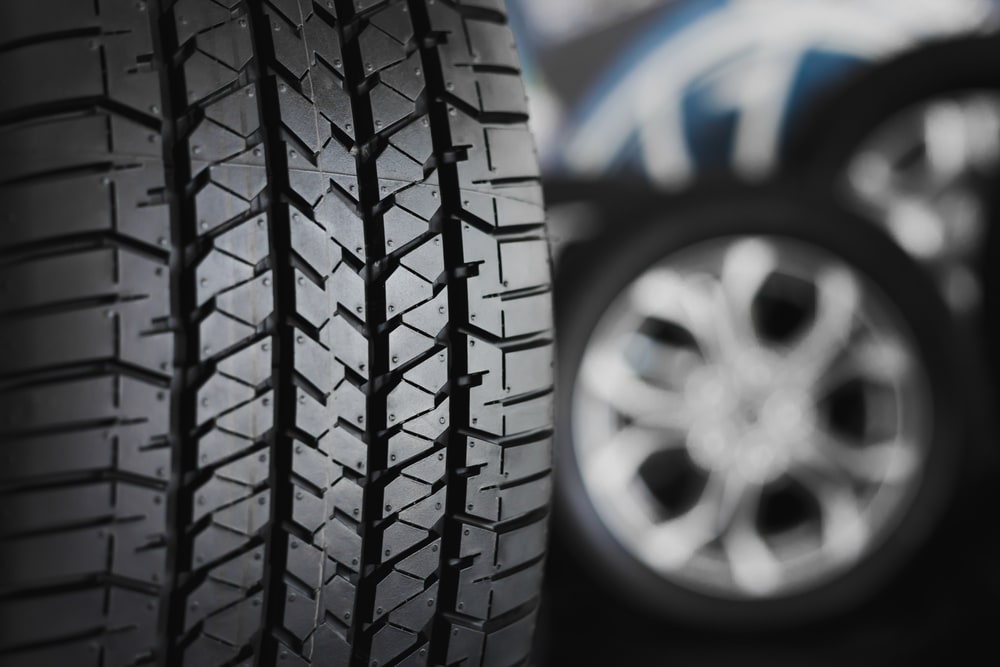
Everyone can agree that traditional vehicles have four wheels. So, what does it mean when a vehicle is equipped with all-wheel drive (AWD) versus four-wheel drive (4WD)? Shouldn’t they mean the same thing?
Although the terms are often used interchangeably, they refer to two different power systems. These are a few of the key differences between AWD and 4WD.
 When you’re shopping for a new car, all the specs can be overwhelming. Sure, it makes sense that a smaller turning radius means sharper U-turns, but when it comes to more complicated specs like horsepower, you may be left scratching your head. After all, any functional vehicle moves when you push the gas pedal and stops when you hit the brakes, so why does horsepower matter when choosing which car to buy?

 No matter what car you drive, you will likely see the dreaded check engine light at some point. What’s worse is that it’s next to impossible to know whether it’s a serious issue that needs attention right away, if it’s something minor or your indicator is malfunctioning. Some used cars, depending on their upkeep, year and make, may break down more frequently, but even the most reliable certified pre-owned vehicles and new cars experience mechanical issues. Some issues can be easy to spot, some can be difficult to pinpoint. Here are some of the most common…